Subscribe Today
Get innovative nonprofit solutions delivered directly to your inbox via monthly blog posts and our quarterly newsletter.
"*" indicates required fields
Purpose-Built Communities in Action: How Boston-Thurmond United is Preserving the Past and Securing the Future
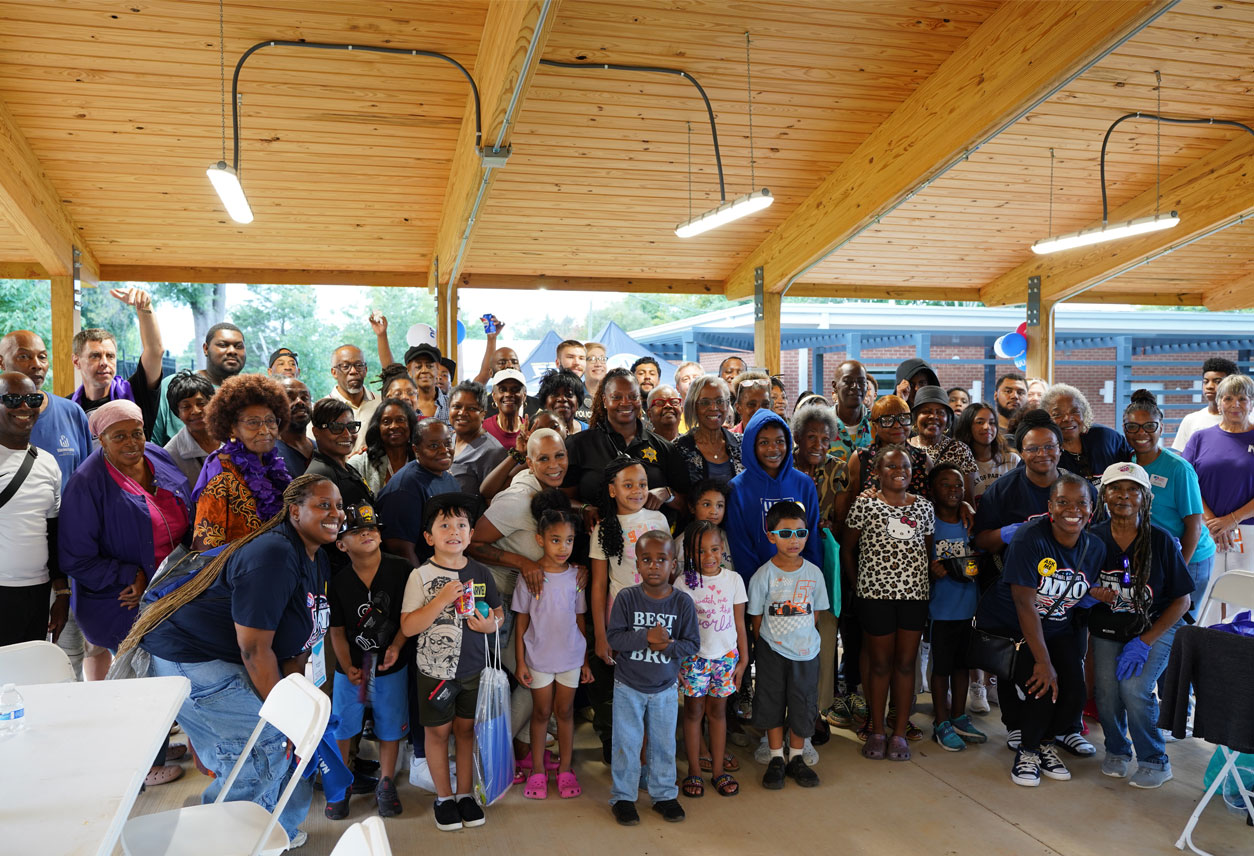
In the heart of Winston-Salem, North Carolina, lies Boston-Thurmond, the city’s second-oldest Black neighborhood. Rich in history and culture, this mixed-income community has long been home to residents from many walks of life—from teachers, principals, and preachers to doctors, firefighters, and childcare providers. Its original home architecture, neighborhood primary care facility, recreation center, and community swimming pool reflect a place with deep roots and strong community assets. At the same time, Boston-Thurmond faces systemic challenges rooted in decades of redlining and modern-day gentrification pressures.
At the helm of Boston-Thurmond’s revitalization is Regina Hall, CEO of Boston-Thurmond United (BTU). BTU uses the national Purpose-Built Communities model to preserve the neighborhood while advancing housing, health, education, and economic vitality. We sat down with Hall to discuss BTU’s current progress, next steps, and how strategic planning and resident-led governance are shaping the neighborhood’s future.
“You can never communicate enough. Communication is key at every level—with staff, funders, board members, and residents.” ~Regina Hall
“It still has a very unique sense of home, and a lot of the original homes are still standing with their original architecture,” Hall shares, reflecting on what makes the community worth fighting for. “The work we’re doing is so important to try to make sure it continues with its uniqueness and relevance, and that folks don’t forget about its prominence in this community.”
Building Credibility Through Strategic Alignment
For BTU, creating a comprehensive strategic plan was a crucial step in strengthening organizational stability and trust across the community. To support that mission, BTU partnered with Ruth Peebles and The INS Group to guide leadership, staff, board members, and residents through a rigorous five-year strategic planning process.
“We knew that to be taken seriously and as a credible nonprofit leading this revitalization effort, we needed to have something in place to show folks that we were focused beyond the day-to-day,” Hall explains. “We needed a minimum of five years as a roadmap to what is important to us, where we plan on going, and who we plan on doing it with.”
Reflecting on the planning journey, Hall credits The INS Group for keeping the team grounded and accountable. “Ruth Peebles has been a breath of fresh air and provided very consistent, direct communication, guidance, and accountability,” Hall says. “She pushed us in a way that made us appreciate all the time put in, because the final product has been something that the board has been totally impressed with and raved about.”
“Residents are the nucleus of what we’re doing and why we’re doing it.”
Working alongside The INS Group, BTU established an operational dashboard that keeps staff, board members, and national partners aligned on project statuses and implementation deadlines. A core takeaway from stakeholder feedback was the need for constant transparency, which supports BTU’s long-term work. “You can never communicate enough,” Hall emphasizes. “Communication is key at every level—communicating with staff, funders, board members, and residents.”
Putting Resident Voice at the Core
What truly sets BTU’s governance model apart is its structural commitment to resident leadership, a core part of its approach. BTU’s bylaws reserve up to six board seats for neighborhood residents or their representatives, such as local school principals who reflect the needs of neighborhood children. One of the two Vice Chair seats is also reserved for a neighborhood resident.
“That means we don’t even have executive committee meetings without having resident voice,” Hall explains. “We cannot in any way, shape, fashion, or form get around not having resident voice. If we do, we will be non-compliant with our organization’s bylaws. It keeps us with a reminder always that residents are the nucleus of what we’re doing and why we’re doing it.”
“If there’s an opportunity to buy property, we’re going to do it too so that we can control what happens in the neighborhood.”
Fighting Displacement with Strategic Land Ownership
Preserving homeownership as a tool for generational wealth is central to BTU’s mission. As outside developers acquire properties, flip them, and drive up market rates, long-time homeowners face escalating property values and rising property taxes. To counter these pressures, BTU’s top strategic priority centers on direct land acquisition.
“We have to get in the game,” Hall says. “If there’s an opportunity to buy property, we’re going to do it too so that we can control what happens in the neighborhood. We will be the owners, and then we have a say in what happens in this community.”
Alongside real estate acquisition, BTU is launching initiatives to support legacy residents. This includes establishing a tax relief fund for long-term homeowners, single mothers, adults aged 65 and older, and descendants inheriting family homes. BTU also offers a Safe Home Repair program that provides up to $7,500 to qualifying residents to complete essential housing repairs.
“If you own the building and your name is on the door, people see that you can control what happens here, then people trust you.”
Anchoring the Community: The New Outreach Center
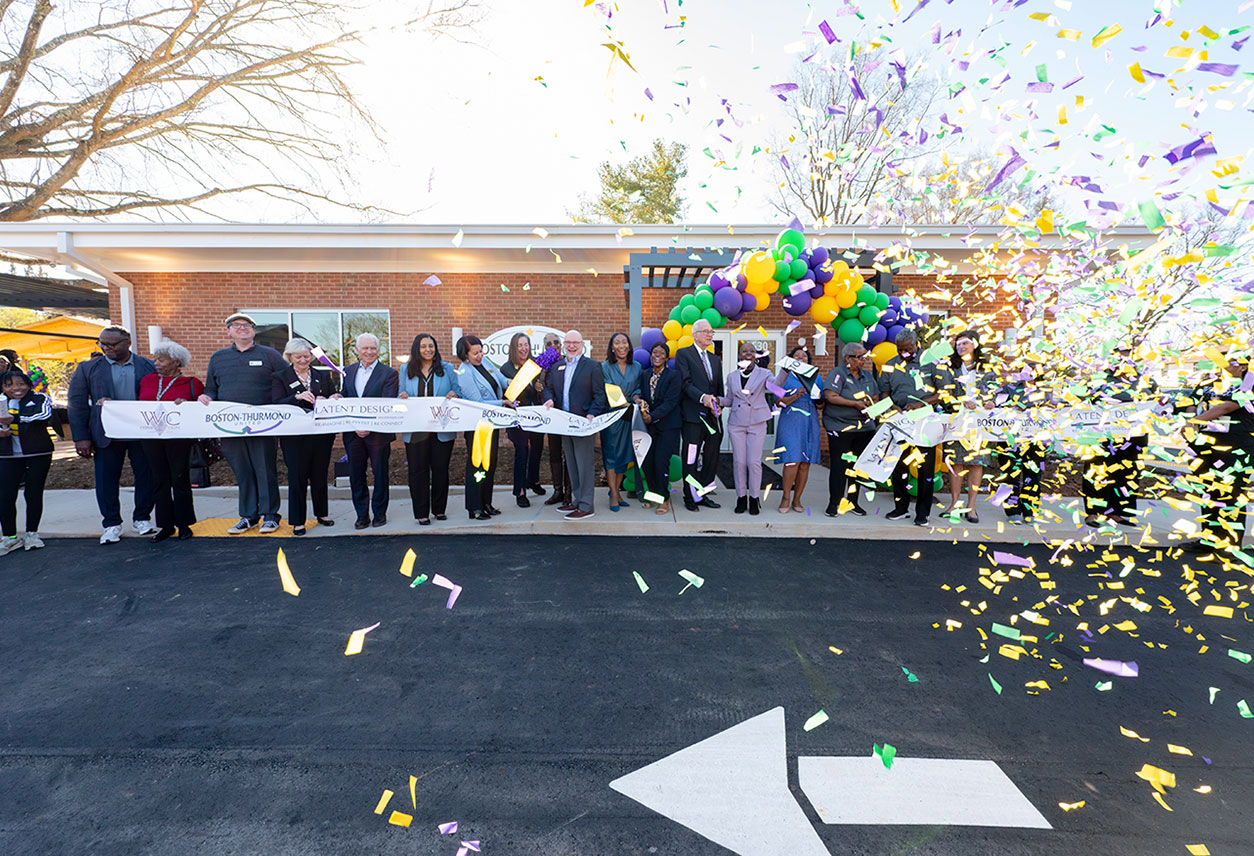
The physical opening of BTU’s Outreach Center has strengthened its presence in the neighborhood. Owning their space outright allows BTU to host town halls and neighborhood association meetings and to provide dedicated office space for resident leaders. It also serves as an anchor when hosting external developers and potential partners.
The space also serves as an anchor when hosting external developers and potential partners. “It helps us in being a little more credible because it’s like, no, you come to our place, our name’s on the building, and our name is on the door,” says Hall. “If you own this and can control what happens here, then people trust you.”
Looking Ahead: The Five-Year Horizon
Over the next five years, BTU plans to acquire and develop more property for mixed-income housing. Organizationally, BTU plans to scale its staff, expand its board, and deepen representation from the neighborhood’s growing Latina community, all in support of its long-term mission.
When asked what advice she would share with other leaders leading neighborhood networks, Hall highlights three fundamental pillars: Communication, Vision, and Strategy. “You have to have a vision, but you can’t stop there. You have to have a strategy of how you’re going to implement it, who your key partners are, and who is going to hold you accountable throughout the way.”
By combining resident-led governance with strategic planning and direct land control, Boston-Thurmond United is proving that neighborhood revitalization can protect history while building lasting, equitable wealth for the future.
Is your nonprofit or community network ready to turn vision into action? Contact us today to discuss strategic planning, board development, and organizational growth strategies that build capacity and deliver measurable community impact.