Subscribe Today
Get innovative nonprofit solutions delivered directly to your inbox via monthly blog posts and our quarterly newsletter.
"*" indicates required fields
Rebranding with Intention: A Strategic Pivot vs. a Reactive One
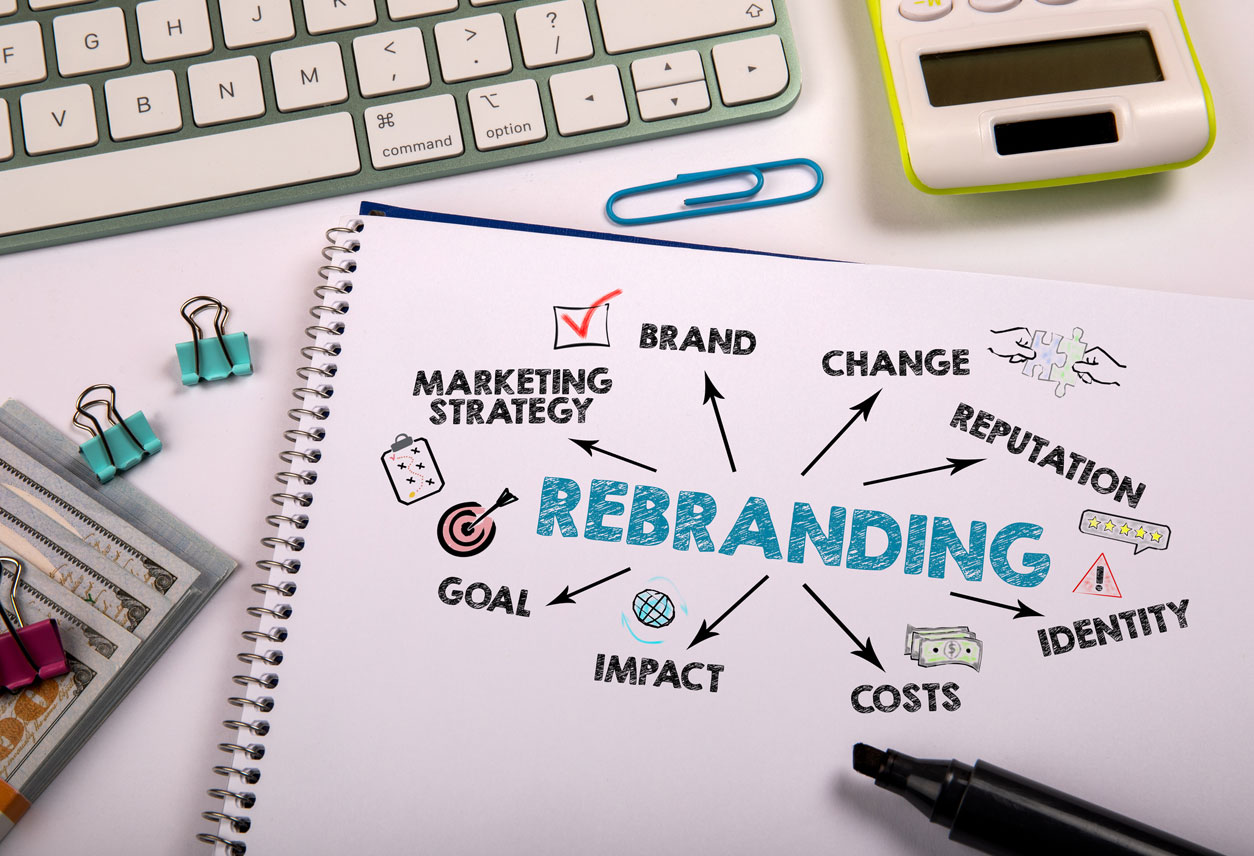
Across the nonprofit sector right now, organizations are taking a hard look at who they are, how they describe their work, and whether their brand still reflects the communities they serve. Some are making bold, purposeful decisions to evolve. Others are making quieter, more anxious changes in response to a shifting funding landscape. From the outside, both look like rebranding, but only one is driven by mission.
According to the Urban Institute, one-third of nonprofits reported some type of government funding disruption in the first half of 2025 alone. (Tomasko et al., 2025) With that kind of financial pressure bearing down, the instinct to adapt is understandable and necessary. The question is not whether to adapt, but whether that adaptation is building something stronger or quietly chipping away at the trust you have spent years earning.
The Cost of Rebranding From Fear
Reactive rebranding happens when an organization changes its external identity in response to external pressure without a corresponding internal reckoning. A program gets renamed not because the name was limiting impact, but because it felt risky to keep it. A mission statement gets softened to stay fundable, even though the mission itself has not changed. In these cases, the change is cosmetic, not strategic.
This kind of shift may feel protective in the short term. But it carries real costs, and the biggest one is donor trust. Research from the Center for Effective Philanthropy found that 85% of nonprofit leaders say the current political climate is affecting their work. That concern matters because organizations perceived as drifting from their mission are losing supporter confidence precisely when they need it most.
The rebrand expanded reach and galvanized support because it was built on a foundation of intention, not reaction.
What Rebranding With Intention Looks Like
Purposeful rebranding starts on the inside. It asks whether your name, language, and story still accurately represent who you serve and how you serve them. The external environment may accelerate the timeline, but the motivation remains mission-driven. Put simply, the change favors clarity over uncertainty.
Blood Cancer United is one of the clearest recent examples of intentional rebranding. The organization, formerly known as The Leukemia and Lymphoma Society, carried that name for more than 75 years before changing it in August 2025. The impetus was not external pressure. Instead, there was a genuine gap between who the organization was serving and who it recognized in its name. People living with myeloma, myelodysplastic syndromes, and other blood cancers simply did not see themselves in “leukemia and lymphoma.”
The rebrand followed a three-year process of community feedback and staff engagement, and launched with the tagline “New Name, Same Mission.”
President and CEO Dr. E. Anders Kolb named the moment plainly at the launch: “We are at a pivotal moment, not only for our organization, but for our community, when funding for cancer research and access to treatment and care are at risk.” Rather than retreating, the organization leaned forward with a name built around unity and inclusion. “The word ‘united’ is transformational and inviting,” Dr. Kolb said. “Blood Cancer United reflects who we are today and who we aspire to be, a unifying force advancing progress for every person impacted by blood cancer.” The rebrand expanded reach and galvanized support because it was built on intention, not reaction.
A name built around a citywide promise rather than a single neighborhood gave donors, partners, and volunteers a clear reason to step up when public funding fell short.
Plan International USA offers a different lesson. When federal foreign aid funding, which represented roughly 40% of its revenue, became unreliable, the organization did not change its name or messaging. Instead, it redirected communications toward major gifts and individual donors, leaning into community-based storytelling. The message stayed anchored in mission; what shifted was who they were talking to, and how.
In 1970, three Chicago neighbors launched a small food drive out of local churches and grocery stores, calling it The People’s Pantry of Lakeview. Over five decades, it grew into one of Chicago’s largest food pantries and expanded well beyond food, adding mental health counseling, job assistance, and housing support. The name stayed put while the mission grew around it. By 2019, that gap was hard to ignore. Staff noticed people outside Lakeview assumed the services weren’t meant for them, even though the pantry had quietly been serving residents across the city for years. In March 2022, the board unanimously approved a new name: Nourishing Hope.
The outcome matched the intention. The organization paired its new name with a centrally located headquarters designed to reach the South and West Sides, while keeping its original Lakeview site running. Existing donors could see their pantry hadn’t disappeared; it had evolved from being the whole story.
That clarity proved its worth in 2025, when federal cuts slashed the organization’s food supply by 13%, and state funding dropped from $500,000 to $100,000. Yet that year became the organization’s biggest in its 54-year history, with more than 6 million pounds of food distributed to 50,000 neighbors. A name built around a citywide promise rather than a single neighborhood gave donors, partners, and volunteers a clear reason to step up when public funding fell short. In the end, the rebrand wasn’t just a marketing win; it was the foundation that made the growth possible.
Three Questions to Ask Before You Change a Word
Before adjusting your messaging, answer these honestly. Is this change rooted in mission or in fear? Are you changing what you say, or what you do? And have you told your donors why? Silence is among the costliest options available. Whether your pivot is reactive or strategic, donors do not expect perfection. They expect honesty. So, explain what changed, what has not, and why; a direct, values-anchored message will hold relationships steady that vague or unexplained changes will fracture.
The organizations doing this well are not necessarily the ones changing the most. They are the ones communicating with the greatest clarity about what they stand for. That kind of intention makes a rebrand more than a change in language. It strengthens the organization and leaves donors, staff, and communities with a clearer sense of where it is going next.
Every organization deserves a brand that reflects who they truly are and who they serve. If you’re ready to strengthen yours, The INS Group is here to help you do it with intention. Let’s talk.